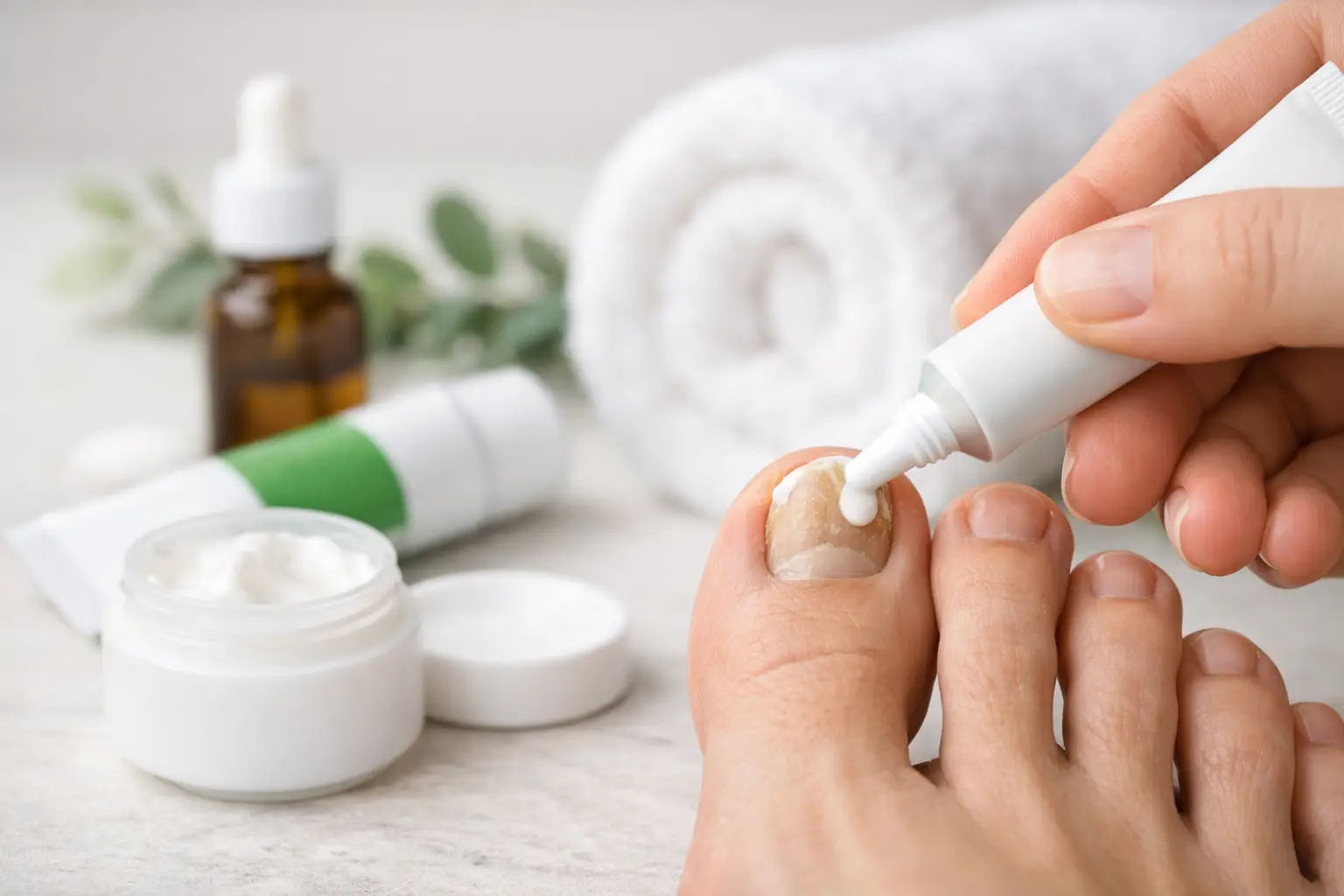
A thickened yellow nail is easy to ignore for a while. Then it starts catching on socks, looks darker at the edges, or begins to separate from the nail bed. When people search for the best toenail fungus ointments, they are usually not looking for a beauty fix – they want a practical way to treat a stubborn infection before it gets worse.
Toenail fungus, also called onychomycosis, is difficult to treat because the infection lives in and under a hard nail plate. That creates a simple but important problem: not every ointment reaches the area where fungal organisms are active. Some products may soften skin around the nail or reduce surface irritation, but the best options are the ones designed for fungal conditions and used consistently over time.
What makes the best toenail fungus ointments worth trying?
A good toenail fungus ointment should do more than moisturize the toe. It should be selected for antifungal activity, ease of use, and tolerance with repeated application. Since onychomycosis tends to be slow-moving and persistent, treatment success depends on daily adherence as much as product choice.
This is where expectations matter. Ointments can support treatment, especially in mild or early cases, around the nail folds, and in situations where fungal infection also affects nearby skin. But if the nail is severely thickened, badly distorted, painful, or the infection involves multiple nails, a topical product may help only as part of a broader plan. That does not mean ointments are useless. It means the best toenail fungus ointments are most helpful when matched to the actual stage of the condition.
Many people also want an option that avoids unnecessary exposure to synthetic antibiotics or overly broad products that are not specific to fungal problems. For that audience, a targeted topical formula built around natural active compounds can make sense, especially when the goal is direct antifungal care with symptom relief rather than a generic cream that does little for the nail itself.
How to judge a toenail fungus ointment realistically
The first question is whether the problem is likely to be fungus at all. Onychomycosis often causes yellow, white, or brown discoloration, thickening, crumbling edges, debris under the nail, and nail lifting. It may also appear with scaling or itching on the surrounding foot, especially if athlete’s foot is present. Trauma, psoriasis, and other nail disorders can look similar, so misidentifying the problem is one reason people think a product failed.
The second question is how advanced the infection has become. If only the distal edge of one nail is involved and the nail plate is not dramatically thickened, topical care has a more reasonable chance of helping. If the nail is opaque, deformed, and lifting far back toward the cuticle, penetration becomes harder and progress slower. In those cases, any ointment should be judged as supportive care, not a quick fix.
Texture matters too. Ointments tend to stay in place better than thin liquids and can be useful when the surrounding skin is dry, irritated, or scaling. The trade-off is that they may not penetrate a dense nail plate as effectively unless used with nail-thinning strategies and disciplined application. That is why the best toenail fungus ointments are often part of a routine rather than a one-step cure.
Best toenail fungus ointments for mild to moderate cases
For mild to moderate fungal nail problems, the strongest topical candidates are condition-specific antifungal ointments intended for persistent fungal infections rather than general foot creams. A product such as ATHLECONT can fit naturally into this category because it is positioned for stubborn fungal conditions with a direct therapeutic focus, not as a cosmetic moisturizer. That distinction matters when symptoms include itching, burning, scaling, redness around the nail folds, or coexisting fungal involvement on adjacent skin.
An ointment like this is especially relevant when toenail fungus overlaps with tinea pedis, which is common. The nail may be infected, but the skin between the toes or along the sole can serve as an ongoing fungal reservoir. Treating only the nail and ignoring the surrounding fungal skin disease often leads to frustration. In practice, one of the best uses of a targeted antifungal ointment is reducing fungal activity in the skin around the nail while supporting a cleaner environment for new nail growth.
That said, no responsible article should pretend that any ointment can erase months or years of nail infection overnight. Toenails grow slowly, and visible improvement depends on healthy nail replacing damaged nail. Even when fungal growth is being controlled, the old discolored portion has to grow out. For many adults, that takes several months.
Symptoms, causes, and who is more likely to deal with it
Toenail fungus usually starts when dermatophytes or other fungi enter through tiny cracks in the nail, surrounding skin, or nail bed. Warm, damp shoes, sweaty feet, communal showers, repeated friction, and untreated athlete’s foot all increase the odds. Age is another major factor because nails thicken over time, circulation may decline, and years of exposure create more chances for infection to take hold.
Certain groups are more vulnerable. People with diabetes, poor circulation, immune compromise, recurring athlete’s foot, or a history of nail trauma should be especially careful. The same goes for runners, gym users, and workers who spend long hours in occlusive footwear. What begins as a cosmetic annoyance can turn into pain, odor, and a repeated source of reinfection.
Prevention is not complicated, but it needs to be specific. Keep feet clean and dry, change socks regularly, allow shoes to dry fully, and do not ignore peeling or itching skin between the toes. If fungal skin symptoms are active, treating them promptly can reduce the chance that the nail becomes infected or reinfected.
When ointment is a smart choice – and when it is not enough
Topical ointment is a smart choice when the infection is early, limited, or paired with fungal skin symptoms around the toes and foot. It also appeals to adults who want an over-the-counter option with natural active compounds and a condition-specific purpose. Used consistently, this approach may help reduce fungal burden, calm irritation, and support healthier nail growth over time.
It may be less effective as a stand-alone approach when the nail is extremely thick, several nails are involved, pain is increasing, or the nail matrix appears affected. In those cases, a clinician may recommend confirmation of the diagnosis and discuss whether additional treatment is needed. That is not a failure of ointment. It is simply the reality that nail fungus sits in a difficult place to reach.
A practical routine usually works best. Apply the ointment as directed, focus on the nail folds and surrounding skin, keep the feet dry, and manage any athlete’s foot at the same time. If the nail surface is very thick, careful trimming and thinning may improve contact, but it should be done safely and never aggressively.
The best toenail fungus ointments are the ones used early, used consistently, and chosen with realistic expectations. If you are dealing with discoloration, thickening, scaling, or recurring fungal symptoms around the toes, a targeted option such as ATHLECONT offers a focused, natural, over-the-counter approach worth considering. Start treatment before the infection becomes more entrenched, and give the nail time to show you the result.