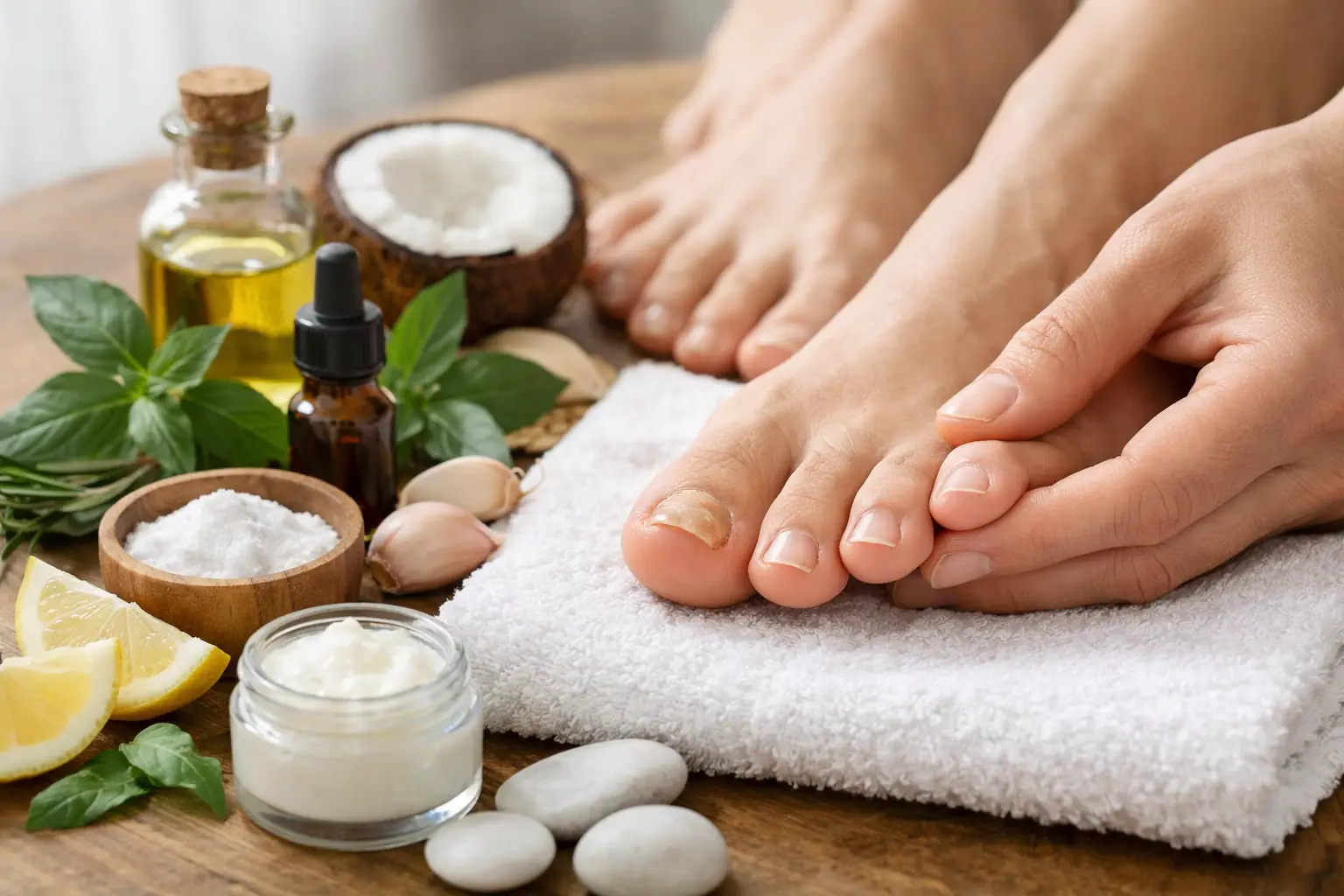
A yellowing toenail usually does not start as a cosmetic problem. It starts as a low-grade fungal infection that settles into the nail bed, thickens the nail plate, traps debris, and becomes harder to clear the longer it stays in place. That is why many people looking for a natural treatment for nail fungus are not just trying to improve appearance. They want to stop progression, reduce discomfort, and avoid letting one infected nail turn into a recurring foot problem.
Nail fungus, or onychomycosis, is stubborn for a reason. The organism lives in and under a structure made of dense keratin, which is not easy for any treatment to penetrate. It also tends to thrive in the same environment that causes athlete’s foot – warm, damp footwear, friction, sweating, and repeated exposure in shared surfaces such as locker rooms or pool areas. If the surrounding skin remains infected, the nail can keep getting re-exposed even while you are treating it.
What a natural treatment for nail fungus can realistically do
A natural approach can be effective, but it needs to be judged by the right standard. Mild to moderate cases generally respond better than severe, long-standing infections with major thickening, lifting, or multiple nails involved. In early cases, a well-formulated topical can help suppress fungal growth, reduce discoloration, soften thickened material, and improve the condition of the surrounding skin. In more advanced cases, natural care may still play a valuable role, but results usually take longer and may be partial unless the infected nail gradually grows out.
This is where expectations matter. Toenails grow slowly. Even when a treatment is working, the damaged section does not instantly return to normal. Improvement usually shows up first as cleaner-looking new nail growth at the base, less crumbly buildup under the nail, and less spread to adjacent skin or nails. That growth cycle is measured in months, not days.
Why some natural options help and others disappoint
Many home remedies are popular because they are easy to find, not because they are especially effective. Putting a kitchen ingredient on an infected nail once in a while is rarely enough to control an organism that has already moved below the nail surface. The more useful natural treatment strategies tend to share three traits. They contain compounds with known antifungal activity, they are used consistently, and they are paired with measures that reduce reinfection.
Plant-derived antifungal compounds can be useful when they are chosen and formulated for actual therapeutic use rather than casual DIY use. That distinction matters. A natural active has to contact the affected area, remain in place long enough to matter, and be applied often enough to keep fungal growth under pressure. If the product also helps calm irritation in nearby skin and supports a cleaner nail environment, the overall treatment plan becomes more effective.
This is one reason condition-specific topicals tend to outperform generic moisturizers or broad “foot creams.” Nail fungus is not just dryness or rough skin. It is an active infection that requires focused antifungal action.
The best natural treatment for nail fungus is usually part of a routine
Topical treatment works better when the nail is prepared properly. If the nail is very thick, the product may struggle to reach where the fungus is active. Gentle filing of the nail surface and trimming away loose, damaged material can improve contact. This should be done carefully, without cutting living tissue or causing bleeding, especially for people with diabetes, poor circulation, or reduced sensation in the feet.
After cleaning and drying the foot, apply the antifungal topical to the nail surface, the edges of the nail, the skin around it, and under the free edge if possible. That last part is often missed. Fungal organisms do not respect a neat boundary between nail and skin. If the surrounding area is left untreated, the infection can persist at the margins.
Consistency is not optional. A natural treatment for nail fungus usually needs daily use over an extended period. Skipping applications for days at a time gives the organism time to recover. People often label a treatment ineffective when the real issue is that they used it irregularly for a few weeks and stopped before healthy nail had time to grow in.
Treat the foot, not just the nail
One of the most common reasons nail fungus returns is that the skin on the foot still carries fungal overgrowth. Scaling between the toes, chronic peeling on the sole, itching, or a recurring burning sensation can all point to athlete’s foot happening alongside the nail infection. If that skin reservoir is not treated, the nail stays at risk.
This is why focused antifungal care should extend beyond the visible nail change. Shoes, socks, and foot hygiene also matter. Nails live in a microenvironment. If that environment stays warm, moist, and contaminated, even a strong topical has to work harder.
Wear breathable footwear when possible, change socks if your feet sweat heavily, and let shoes dry fully between uses. If you use nail clippers or files on an infected nail, disinfect them before using them again. Reinfection is not always dramatic. Sometimes it is just a cycle of low-level exposure that keeps the condition active.
When natural treatment makes the most sense
Natural topical care is especially attractive for adults who want an over-the-counter option, prefer to avoid systemic medication, or are dealing with a relatively localized infection. It may also make sense for people who have already tried generic pharmacy products and want a more targeted approach based on active natural compounds rather than a general skin cream.
There are trade-offs. Oral prescription drugs can be appropriate in severe cases because they reach the nail from within, but they are not the right choice for everyone and may require medical monitoring. Natural topicals are more accessible and generally easier to use at home, but they demand patience and discipline. The question is not whether one category is always better. It is which option fits the severity of the infection, the person treating it, and the level of consistency they can realistically maintain.
Signs your nail fungus needs more than home care
Some nail infections should not be managed casually. If the nail becomes painful, the surrounding skin is red and swollen, the nail is separating significantly from the bed, or several nails are involved, the condition may need a more aggressive plan. The same is true if the diagnosis is uncertain. Not every thick or discolored nail is fungal. Trauma, psoriasis, and other nail disorders can look similar.
People with diabetes, impaired circulation, immune compromise, or a history of foot ulcers should be especially cautious. In those cases, even minor nail damage can become a bigger problem. A targeted natural topical may still have a role, but the foot should be assessed carefully.
What to look for in a natural treatment for nail fungus
The label matters. Look for a product designed specifically for fungal infections of the nail and surrounding skin, not a cosmetic oil marketed with vague claims. A useful formula should be clear about its intended use, its active natural compounds, and how often it should be applied. It should also be practical enough for daily use, because treatments that feel greasy, irritating, or difficult to apply are less likely to be used consistently.
This is where a science-driven natural brand can make a meaningful difference. Theracont Scientific approaches fungal skin and nail conditions as active infectious problems, not simple cosmetic concerns. That therapeutic mindset is important. People dealing with onychomycosis usually want more than softness or surface shine. They want targeted control of the organism causing the problem and relief from the discomfort, odor, irritation, and embarrassment that can come with it.
If you are choosing a natural option, choose one that treats the condition seriously. Then treat your routine seriously too. Clean application, dry footwear, regular nail maintenance, and consistent daily use give any topical its best chance to work.
A fungal nail rarely improves because of one dramatic step. It improves because the environment changes, fungal growth is repeatedly suppressed, and healthy nail is given time to replace damaged nail. That process is slower than most people want, but it is also how durable improvement happens.