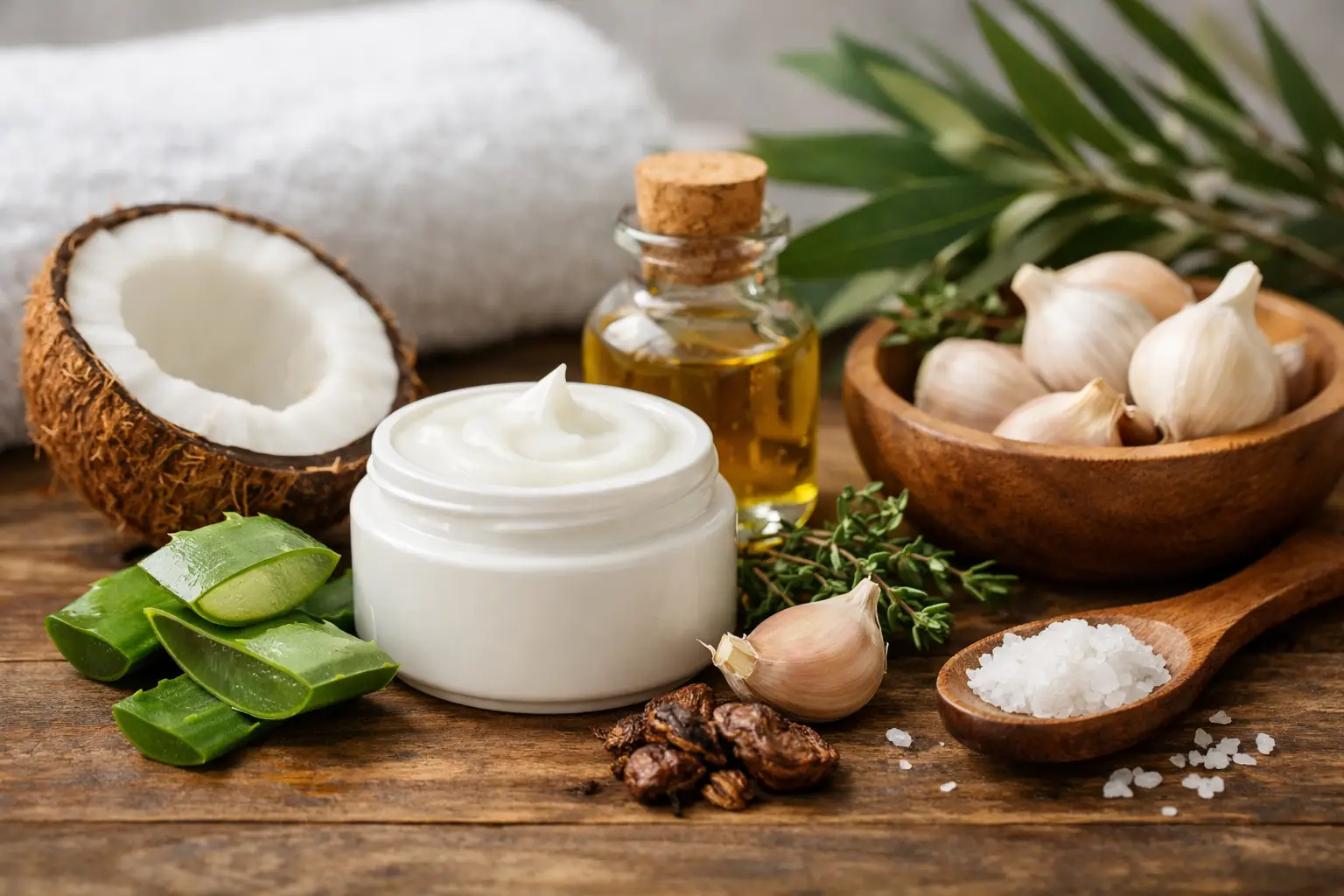
That persistent itch between the toes, the peeling skin that keeps coming back, the thickened nail that does not improve, the rash in a skin fold that burns by the end of the day – fungal infections are rarely just cosmetic. They affect comfort, hygiene, confidence, and sometimes mobility. A natural ointment for fungal infections can be a practical over-the-counter option when you want targeted symptom relief and active treatment without defaulting to harsh, broad-use products.
The key is choosing the right kind of ointment and using it with realistic expectations. Not every fungal problem behaves the same way, and not every natural product is formulated to do real therapeutic work.
What a natural ointment for fungal infections should actually do
A fungal ointment should do more than soothe the skin for an hour. If it is intended for active treatment, it needs to support control of the organisms driving the infection while also reducing the symptoms that make the condition hard to ignore – itching, burning, scaling, redness, irritation, odor, and cracking.
That matters because fungal infections often thrive in places that stay warm, damp, and occluded. Feet in shoes, groin folds, under-breast skin, underarms, and other high-friction areas create the exact environment fungi prefer. If an ointment only moisturizes the area without addressing fungal overgrowth, the problem may look calmer briefly while the infection continues underneath.
A more useful natural formulation is one built with active botanical or naturally derived compounds selected for antifungal performance, skin tolerance, and staying power on the affected area. The ointment base matters too. It should protect irritated skin and keep actives in place long enough to do their job, especially on areas exposed to rubbing, sweat, or repeated washing.
Not all fungal infections respond the same way
This is where many people lose time. They use one generic cream for every rash, every flaky patch, and every nail change, then assume natural treatment does not work when results are uneven.
Athlete’s foot and tinea pedis often respond better and faster than nail fungus because the infection is more accessible at the skin surface. Interdigital athlete’s foot, the kind that settles between the toes, may improve once fungal growth is reduced and the area is kept dry. Moccasin-type scaling on the soles can take longer because thickened skin acts as a barrier.
Jock itch and fungal irritation in skin folds can improve with the right topical approach, but friction, sweating, and repeated moisture exposure can slow progress. Nail fungus is its own category. Onychomycosis is stubborn because the infection sits under or within hard nail tissue, which limits penetration. In that setting, a natural ointment may still be useful, but it usually requires more patience, more consistent application, and a clear understanding that nails grow out slowly.
If a rash is not actually fungal, treatment can miss the mark entirely. Conditions such as eczema, contact dermatitis, inverse psoriasis, erythrasma, and some bacterial overgrowth disorders can mimic fungal infection. That is one reason symptom pattern and location matter.
Signs you may need a targeted antifungal ointment
The most common signs are itching, peeling, fissures, scaling, circular or advancing rash borders, burning, and recurrent irritation in high-moisture areas. On the feet, many people also notice odor, whitening or sogginess between the toes, and discomfort after wearing shoes for long periods. In the groin or folds, the skin may look red, raw, or sharply outlined.
Nail involvement usually looks different. Thickening, yellowing, brittleness, crumbling edges, debris under the nail, and separation from the nail bed are more typical signs. These changes can occur with trauma too, so visual similarity does not always equal fungal infection.
A targeted ointment makes the most sense when the condition appears localized and manageable at home, especially if symptoms are mild to moderate and have not spread extensively. If the area is severely inflamed, draining, rapidly worsening, or painful enough to affect walking or daily activity, a medical evaluation is the safer move.
Why some people prefer natural topical treatment
For many adults, the appeal is straightforward. They want a non-prescription option that treats the problem directly, avoids unnecessary antibiotic exposure, and fits into daily care without adding complexity. That preference is not about choosing “gentle” over effective. It is about looking for active compounds that are naturally sourced but still selected for therapeutic use.
That distinction matters. Natural is not automatically effective, and synthetic is not automatically excessive. The better question is whether the ointment is condition-specific, formulated with a clear anti-infective purpose, and designed for the actual environment where fungal infections persist.
A scientifically informed natural product can occupy a useful middle ground. It offers accessible treatment for common skin infections while aligning with a broader effort to reduce casual overuse of antibiotics when they are not appropriate. For fungal conditions especially, antibiotic use is not just unnecessary – it can sometimes complicate the skin environment rather than correct it.
How to use a natural ointment for fungal infections effectively
Application technique affects results more than many people realize. Start with clean skin, then dry the area thoroughly. That is especially important between the toes, under skin folds, and anywhere occlusion or sweating is common. Putting ointment on damp skin can trap moisture where fungi already have an advantage.
Apply a thin but complete layer over the affected skin and slightly beyond the visible border. Fungal spread is not always limited to the area that looks inflamed. Consistency matters more than using too much at once. Missing applications, switching products every few days, or stopping the moment itching improves often leads to recurrence.
For feet, ointment works best alongside basic environmental control. Change socks regularly, rotate shoes, allow footwear to dry fully, and reduce prolonged moisture exposure when possible. For groin and fold areas, breathable clothing and friction control help the treatment do its job.
With nails, expectations need to be stricter. Improvement may show first as healthier new nail growth near the base rather than dramatic changes across the whole nail plate. If you expect a damaged nail to look normal in two weeks, you will likely stop too soon.
What to look for in a well-formulated ointment
The label should give you more than vague wellness language. Look for a product that clearly identifies the condition it is meant to address and explains its therapeutic purpose. A targeted athlete’s foot ointment should not read like a generic skin balm. A nail-focused treatment should acknowledge the difficulty of nail penetration and long treatment timelines.
The best formulas usually combine anti-infective intent with symptom control. That means helping reduce fungal burden while calming irritation, dryness, burning, and odor. The base should also be suitable for repeated use on compromised skin. If the formulation stings excessively, leaves the skin more inflamed, or creates ongoing occlusion in already soggy areas, it may not be the right fit.
This is where condition-specific products stand apart from one-size-fits-all creams. Theracont Scientific, for example, positions natural topical care around clearly defined skin infection categories rather than broad cosmetic claims. That approach is useful because fungal infections on the sole, between the toes, and under the nail do not present the same treatment challenge.
When a natural ointment may not be enough
There are limits to home treatment, and recognizing them early can save weeks of frustration. If the infection is widespread, repeatedly returns despite careful use, involves multiple nails, or shows signs of secondary bacterial involvement, over-the-counter care may not be sufficient on its own.
People with diabetes, compromised circulation, immune suppression, or significant skin breakdown should be especially careful with foot infections. What begins as a manageable fungal issue can become more complicated when the skin barrier is no longer intact.
You should also reassess if symptoms do not improve after a reasonable treatment period. That does not always mean the ointment failed. It may mean the diagnosis is off, the area is being constantly re-exposed, or the condition includes a bacterial component, friction disorder, or inflammatory skin disease that needs different care.
The practical standard to use
A natural ointment earns its place when it does three things well: targets the infection, relieves the symptoms that interfere with daily life, and fits the biology of the area being treated. That is a higher standard than smelling medicinal or claiming to be botanical.
If you are choosing a natural ointment for fungal infections, look for focused antifungal intent, not just skin comfort. Use it consistently, match it to the condition, and give stubborn areas like nails and thickened foot skin the time they require. The best treatment plan is usually the one you can apply correctly, every day, long enough for the skin to actually recover.